
While drilling a multi-well pad in the Barnett Shale in Denton County, Texas, the operator experienced significant downhole losses on offset wells.

WelSAVER™ Drilling Fluid Technology Eliminates Downhole Losses by 94%
read more...
While drilling a multi-well pad in the Barnett Shale in Denton County, Texas, the operator experienced significant downhole losses on offset wells.
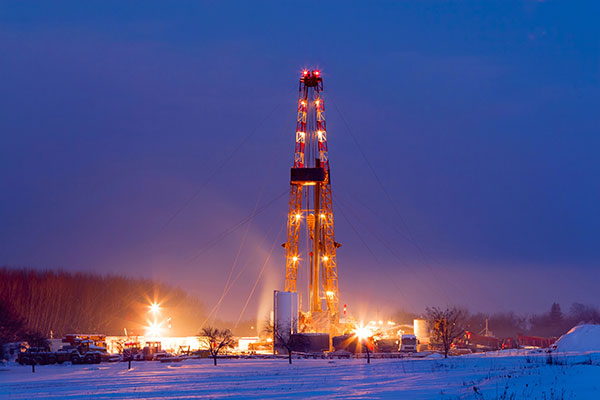
PhenoFlake® is widely utilized by major U.S. and international service companies, as well as independent operators, as both a standalone lost circulation material and a key component within engineered fluid systems. Its rigid laminate structure and broad particle size distribution enable effective sealing across fractures, vugs, and permeable formations while maintaining compatibility with drilling, spacer, and cementing systems.

While drilling the intermediate section of a Woodford well, the operator encountered severe fluid losses at approximately 6,100 ft MD, reaching rates of up to 70 bbl/hr in an oil-based drilling fluid system. The losses created immediate challenges in maintaining circulation and threatened wellbore stability during a critical phase of the drilling program.

Pol-E-Flake® is widely utilized by major U.S.-based service companies with global operations as a replacement for traditional cellophane flakes in cementing systems. Its engineered flake structure and lower density provide effective mechanical bridging while reducing material requirements and overall treatment cost.

A Canadian operator drilling multi-well pads in Alberta was experiencing consistent seepage losses while drilling wells to approximately 1,600 m MD (5,248 ft) with 15–25° deviation profiles. Each pad consisted of up to 18 wells, with average drilling durations of 10 days per well and oil-based invert systems in use for approximately 8 days.
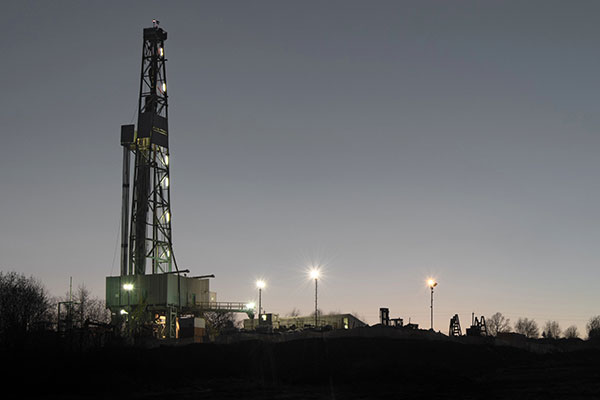
While drilling the 8½ in. section of a well in the Eagle Ford Basin, an operator encountered a predicted weak formation interval at approximately 8,700 ft that resulted in elevated drilling fluid losses. Loss rates quickly escalated to approximately 45 barrels per hour, threatening drilling efficiency and increasing the risk of nonproductive time. Maintaining circulation was essential to continue drilling the lateral to total depth in a single run while preserving wellbore stability and avoiding costly interruptions. Without effective loss control, the operation risked stalled drilling progress, additional remedial treatments, and increased rig time. A reliable solution was required to quickly mitigate fluid losses, stabilize the wellbore, and maintain drilling efficiency.
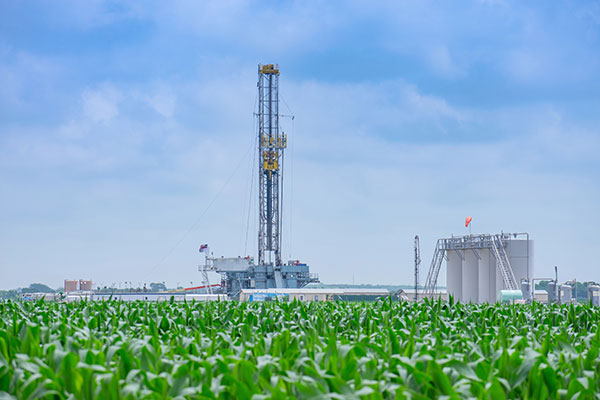
While drilling the intermediate section of a well in Frio County, Texas, the operator encountered unexpected formation behavior that resulted in significant drilling fluid losses. Loss rates ranged from approximately 55 barrels per hour to complete loss of returns, creating a high risk of nonproductive time and operational delays.
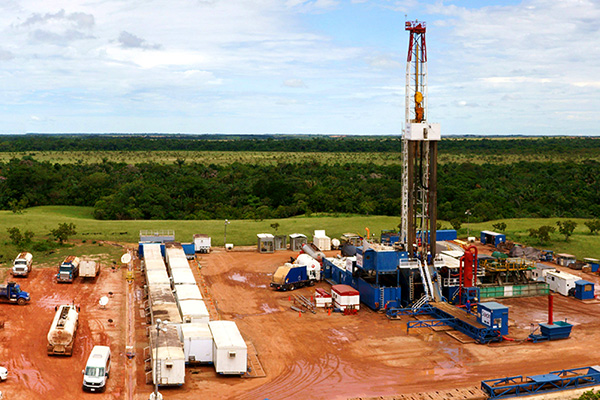
A remedial cementing operation was conducted on a well located west of Orienta in Major County, Oklahoma with the objective of restoring annular cement integrity and verifying the effectiveness of the cement placement.

While drilling a 6-1/8 in. lateral section in Lincoln County, Oklahoma, the operator encountered an unexpectedly weak formation that resulted in severe fluid losses and loss of circulation. Multiple attempts were made to regain returns using conventional lost circulation materials. Three pills consisting of Magna Fiber and calcium carbonate (8 lb/bbl each) were pumped, but the loss zone continued to take fluid and circulation could not be restored.
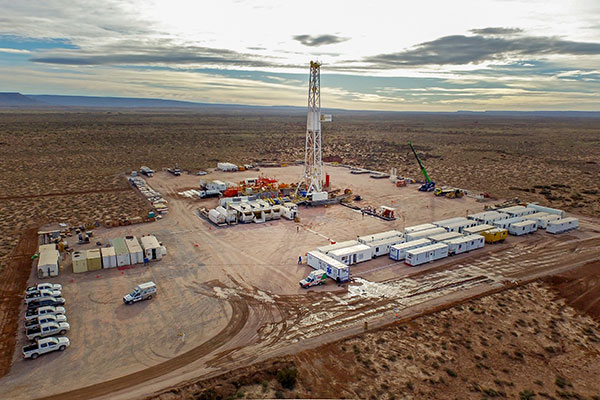
A major West Texas service company was cementing a series of wells characterized by low fracture gradients and relatively low temperature conditions. These formations presented a narrow pressure window where excessive hydrostatic pressure from conventional cement slurries could damage the formation and compromise cement placement.